

How Massage and Bodywork Actually Relieve Pain: The Science Behind What We Do
A comprehensive guide for Las Vegas residents seeking effective, non-pharmaceutical pain relief
If you've ever left a massage therapy session wondering, "Why does my pain actually feel better?"—you're not alone. Many people experience profound pain relief from bodywork but don't fully understand the mechanisms at play. As a massage therapist practicing for over two decades, and now practicing in Las Vegas, I've seen countless clients find relief from chronic pain, injury, and movement dysfunction through therapeutic bodywork. But what's actually happening in your body when skilled hands apply pressure, stretch tissue, or release fascial restrictions?
Let's break down the science behind why massage and bodywork are so effective at eliminating pain—and explore the specific techniques that make it happen.
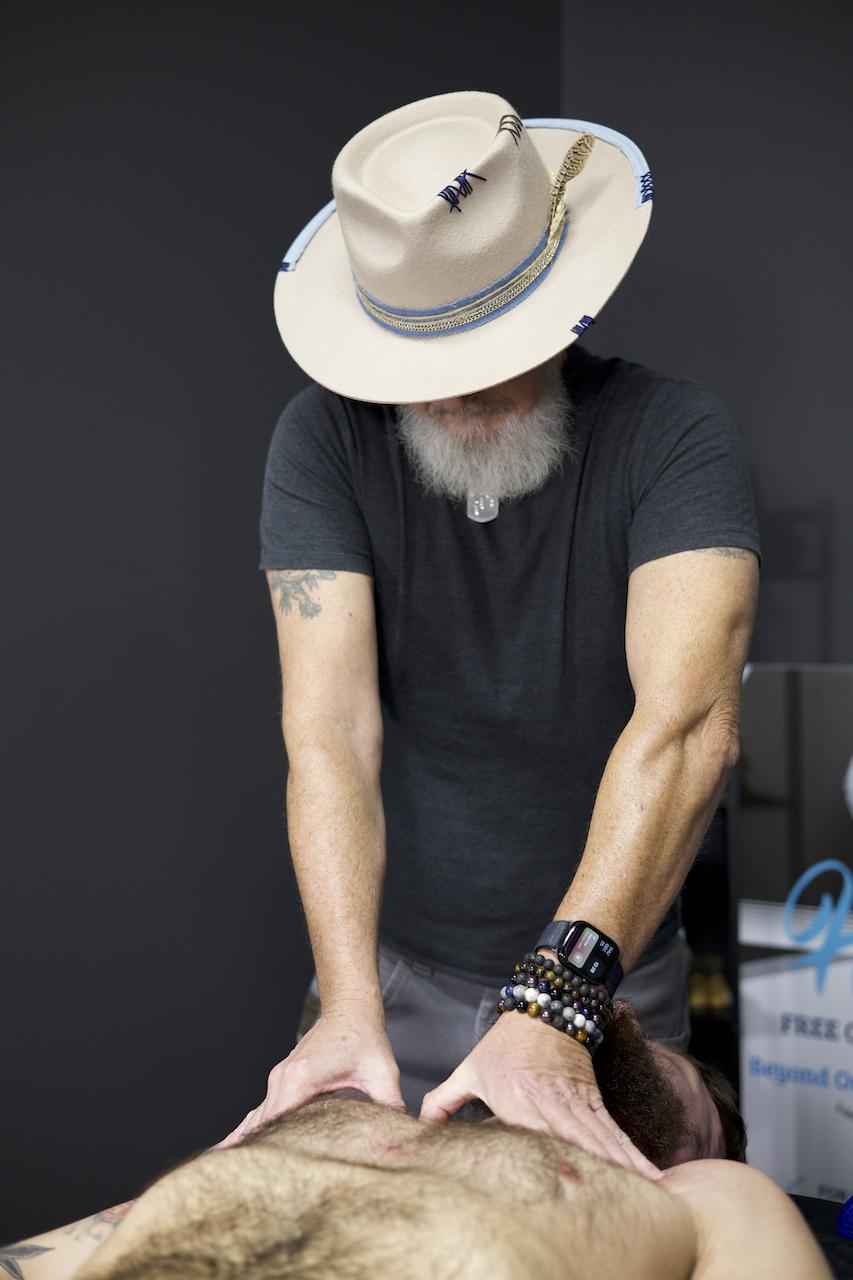
Understanding Pain: It's More Complex Than You Think
Before we dive into how massage relieves pain, it's important to understand what pain actually is. Pain is a complex experience involving sensory, emotional, and cognitive components, not just a simple signal from damaged tissue. Your nervous system interprets various signals and creates the experience of pain as a protective mechanism.
Chronic pain, in particular, often persists long after the initial injury has healed. This happens because your nervous system can become sensitized, meaning it continues sending pain signals even when there's no ongoing tissue damage. This is where therapeutic massage and bodywork become powerful tools—they work on multiple levels to interrupt pain cycles and restore normal function.
The Core Mechanisms: How Massage Reduces Pain
Massage therapy and bodywork relieve pain through several scientifically validated mechanisms:
1. Gate Control Theory of Pain
One of the foundational explanations for massage's pain-relieving effects comes from the Gate Control Theory. Research shows that massage activates large-diameter nerve fibers that can essentially "close the gate" on pain signals traveling to the brain. When a massage therapist applies pressure to your tissues, the sensory input from touch receptors competes with pain signals, effectively reducing your perception of pain.
This is why rubbing a sore area instinctively makes it feel better—you're activating this pain gate mechanism.
2. Reducing Inflammation and Promoting Healing
Studies have demonstrated that massage therapy can reduce inflammation markers in the body while simultaneously promoting the production of mitochondria in muscle cells, which aids in tissue repair and recovery. This is particularly important for Las Vegas athletes, performers, and active individuals dealing with overuse injuries or post-workout soreness.
3. Releasing Endorphins and Altering Brain Chemistry
Therapeutic touch triggers the release of endorphins—your body's natural painkillers. Research indicates that massage increases serotonin and dopamine levels while decreasing cortisol, creating a neurochemical environment that naturally reduces pain perception and promotes relaxation.
4. Improving Circulation and Reducing Muscle Tension
When muscles are tight and restricted, they compress blood vessels and limit nutrient delivery while trapping metabolic waste products. Massage increases local blood flow, delivers oxygen and nutrients to tissues, and helps flush out inflammatory byproducts that contribute to pain and stiffness.
Specific Techniques and How They Work
Now let's explore the specific bodywork techniques I use in my Las Vegas practice and the science behind each one:
Myofascial Release: Unwinding the Web of Tension
Your fascia is a three-dimensional web of connective tissue that surrounds and connects every muscle, bone, nerve, and organ in your body. When fascia becomes restricted—due to injury, poor posture, inflammation, or repetitive stress—it can create tension, limit movement, and cause pain far from the original problem area.
How It Works:
Myofascial release applies sustained, gentle pressure to fascial restrictions. Research suggests this technique works by mechanically breaking down collagen cross-links and stimulating fibroblasts to remodel tissue, essentially restoring the fascia's normal sliding and gliding capacity.
What You'll Feel:
During treatment, you might experience a deep stretching sensation or even emotional release, as fascia can hold physical and emotional tension. Many of my Las Vegas clients report feeling "looser" and more mobile immediately after myofascial work.
Best For:
Chronic pain conditions, restricted range of motion, postural dysfunction, fibromyalgia, and persistent tightness that doesn't respond to stretching alone.
Trigger Point Therapy: Deactivating Pain Generators
Trigger points are hyperirritable spots within tight muscle bands that can cause localized pain and refer pain to other areas of the body. For example, trigger points in your neck muscles might cause headaches, while trigger points in your glutes can create sciatic-like leg pain.
How It Works:
Trigger points form when muscle fibers remain in sustained contraction, creating areas of reduced blood flow and accumulated metabolic waste. Applying sustained pressure to these points interrupts the pain-spasm cycle, restores normal blood flow, and allows the muscle fibers to relax.
The technique works through several mechanisms: mechanical disruption of the contracted muscle fibers, stimulation of local blood flow, and neurological changes that reset the muscle's resting tension.
What You'll Feel:
Trigger point work can be uncomfortable—often described as "good pain" or "hurts so good." When the right point is pressed, you may feel referral sensations in other areas (that's actually a positive sign that we've found an active trigger point). Relief often comes quickly once the trigger point releases.
Best For:
Headaches, neck and shoulder pain, lower back pain, sciatica, tennis elbow, plantar fasciitis, and any condition involving muscle-based referral pain patterns.
Instrument-Assisted Soft Tissue Mobilization (IASTM): The Science Behind Scraping
Also known as Gua Sha or scraping, IASTM uses specialized tools to detect and treat soft tissue restrictions, adhesions, and scar tissue. While it might look intense (and yes, it can cause temporary redness or bruising), the technique is highly effective for chronic conditions.
How It Works:
IASTM creates controlled microtrauma to dysfunctional tissue, which triggers an inflammatory healing response and promotes tissue remodeling. The tools allow therapists to detect adhesions and restrictions that hands alone might miss, and apply precise pressure to break down scar tissue and fascial restrictions.
The temporary inflammation created by scraping actually signals your body to increase blood flow to the area and deposit new, healthy collagen fibers in a more organized pattern—essentially "rebooting" the tissue healing process.
What You'll Feel:
You'll feel firm pressure as the tool moves across your skin. Areas with restrictions often feel "gritty" or "crunchy." Some redness or mild bruising (petechiae) is normal and typically resolves within a few days. Most clients report significant improvements in mobility and pain reduction despite the temporary marking.
Best For:
Chronic tendinopathies (tennis elbow, Achilles tendinitis), post-surgical scar tissue, IT band syndrome, plantar fasciitis, adhesions from old injuries, and stubborn restrictions that haven't responded to other treatments.
Deep Tissue Massage: More Than Just "Hard Pressure"
Deep tissue massage is often misunderstood as simply "pressing harder." In reality, it's a specific approach that targets the deeper layers of muscle and connective tissue using slow, deliberate strokes and focused pressure.
How It Works:
Deep tissue techniques work by mechanically breaking down adhesions between muscle fibers, increasing flexibility in fascia, and improving circulation to chronically tight areas. Research has shown that deep tissue massage effectively reduces chronic pain and improves function in conditions like chronic low back pain and osteoarthritis.
The slow, sustained pressure allows the therapist to sink through superficial layers and address the deeper structures where chronic tension often resides. This approach also gives your nervous system time to adapt, preventing the protective muscle guarding that can occur with too-aggressive techniques.
What You'll Feel:
You should feel deep pressure and stretching, but never sharp pain. Good deep tissue work respects your pain tolerance while still achieving therapeutic depth. You might feel sore for a day or two afterward (similar to post-workout soreness), followed by improved mobility and reduced pain.
Best For:
Chronic muscle tension, postural problems from desk work, athletic injuries, lower back pain, neck and shoulder pain, and rehabilitation from injury.
Active Release Techniques (ART): Movement-Based Soft Tissue Work
ART is a movement-based technique that combines precisely directed tension with specific client movements to break up adhesions and restore proper tissue function.
How It Works:
The therapist applies tension to a specific structure while you move through a range of motion. This combination of pressure and movement helps separate adhered tissues, restore normal sliding between fascial planes, and release nerve entrapments. The technique is particularly effective because it addresses tissues in their functional context—while they're actually moving.
What You'll Feel:
You'll actively participate by moving specific joints or muscles while the therapist maintains contact and tension. It often creates a stretching or "releasing" sensation, and many people feel immediate improvements in range of motion.
Best For:
Repetitive strain injuries, carpal tunnel syndrome, nerve entrapments, sports injuries, restricted range of motion, and conditions where tissues have become "stuck" together.
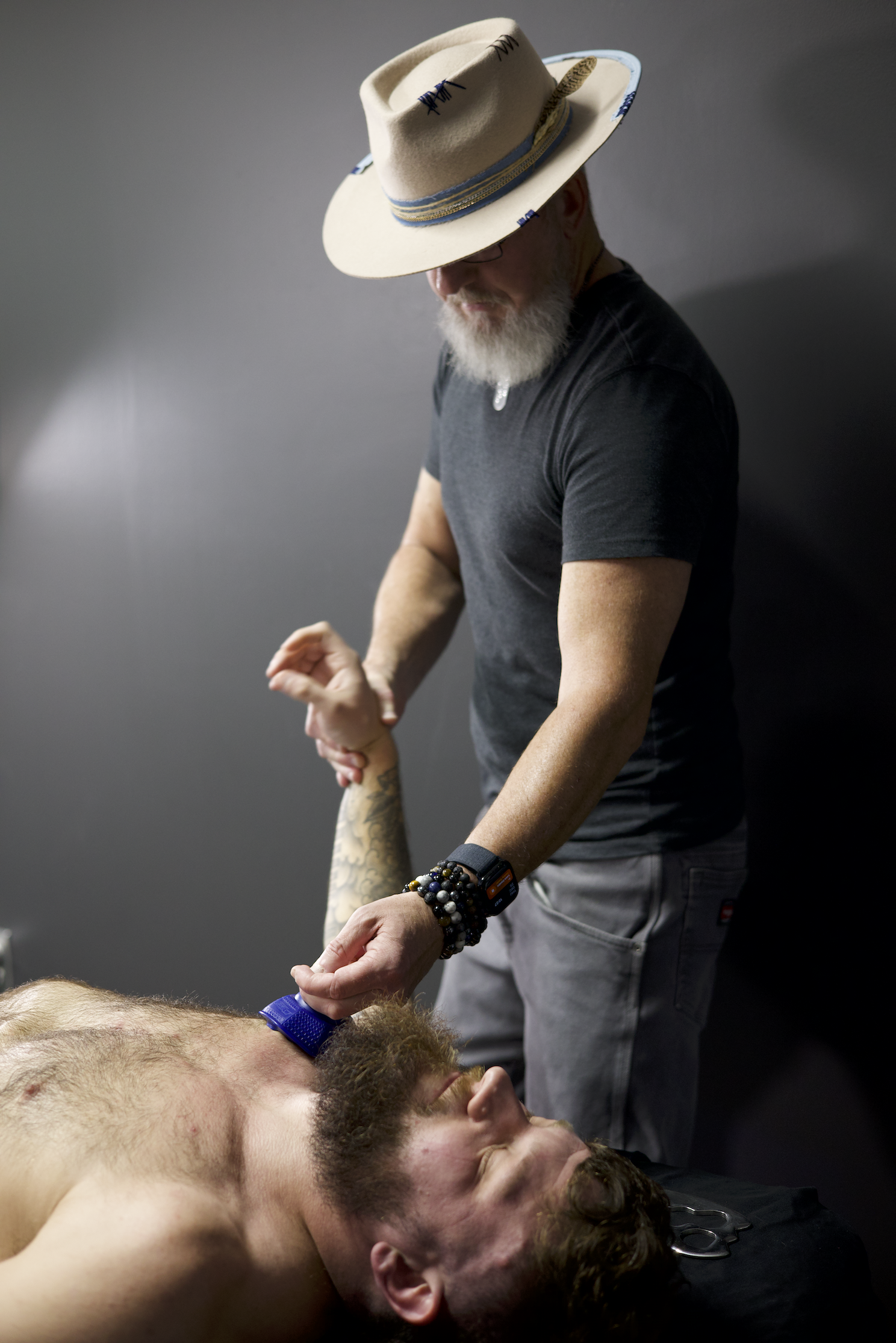
Cupping Therapy: Ancient Technique, Modern Application
Cupping has gained popularity in recent years, particularly among athletes. Dynamic cupping combines traditional static cups with movement to create a unique form of myofascial decompression.
How It Works:
Unlike most massage techniques that compress tissue, cupping creates negative pressure that lifts and separates tissue layers. This decompression improves blood flow, releases fascial restrictions, and can help drain excess fluid from inflamed areas. The suction also stimulates sensory receptors that can reduce pain perception.
What You'll Feel:
You'll feel a pulling or suction sensation. Static cupping can leave temporary circular marks (not bruises, but areas where blood has been drawn to the surface). Dynamic cupping, where cups are moved across the skin, feels like a deep, gliding massage with traction.
Best For:
Tight muscles, fascial restrictions, poor circulation, inflammation, athletic recovery, and respiratory conditions.
Why Location Matters: Finding Effective Bodywork in Las Vegas
Living in Las Vegas presents unique challenges for your body. The dry climate can affect tissue hydration and fascial health. Many residents work in hospitality, entertainment, or service industries that involve repetitive motions or prolonged standing. The city's active lifestyle—from hiking Red Rock Canyon to training in world-class gyms—means many Las Vegas residents push their bodies hard.
Finding a skilled massage therapist who understands pain science and can apply these techniques effectively makes all the difference. Not all massage is created equal—therapeutic bodywork that addresses the root causes of pain requires extensive training, anatomical knowledge, and clinical experience.
What the Research Tells Us: Massage for Chronic Pain
The scientific evidence supporting massage therapy for pain management continues to grow. Multiple systematic reviews and clinical trials have demonstrated:
Massage therapy shows significant benefits for chronic low back pain, neck pain, and shoulder pain compared to inactive controls
Regular massage can reduce pain intensity and improve function in various musculoskeletal conditions
The effects are dose-dependent—more frequent sessions generally produce better outcomes
Massage therapy can be as effective as other interventions for certain pain conditions, with fewer side effects than pharmaceutical options
For Las Vegas residents dealing with chronic pain, bodywork offers a science-backed, non-pharmaceutical approach that addresses multiple pain mechanisms simultaneously.
Combining Techniques for Maximum Effect
In my Las Vegas practice, I rarely use just one technique in isolation. The most effective sessions integrate multiple approaches based on your specific condition, goals, and how your body responds. For example, someone with chronic shoulder pain might receive:
Myofascial release to address restricted fascia
Trigger point therapy for specific muscle knots
IASTM to break down adhesions
Active release techniques to restore normal movement
Deep tissue work to address chronic muscle tension
This integrated approach addresses pain from multiple angles, producing faster and more lasting results than any single technique alone.
The Bottom Line: Why Bodywork Works
Massage and bodywork relieve pain through multiple, complementary mechanisms:
Mechanical effects: Breaking down adhesions, releasing fascial restrictions, improving tissue mobility
Circulatory effects: Increasing blood flow, reducing inflammation, promoting healing
Neurological effects: Interrupting pain signals, releasing endorphins, reducing nervous system sensitization
Biochemical effects: Altering inflammation markers, promoting tissue regeneration
Psychological effects: Reducing stress, improving body awareness, decreasing pain catastrophizing
When performed by a skilled practitioner who understands anatomy, pain science, and proper technique application, therapeutic bodywork offers powerful, evidence-based pain relief without the side effects of medications or the risks of invasive procedures.
Take the Next Step Toward Pain-Free Living
If you're living with chronic pain in Las Vegas and haven't experienced the benefits of skilled therapeutic bodywork, you're missing out on one of the most effective, scientifically supported approaches to pain management available.
The key is finding a practitioner who:
Understands pain science and functional anatomy
Can assess your specific condition accurately
Applies the right techniques for your individual needs
Adjusts treatment based on your body's response
Whether you're dealing with chronic pain from desk work, athletic injuries, postural dysfunction, or the lingering effects of old injuries, therapeutic massage and bodywork can help you reclaim pain-free movement and improved quality of life.
References
Field, T. (2016). Massage therapy research review. Complementary Therapies in Clinical Practice, 24, 19-31.
Ajimsha, M. S., Al-Mudahka, N. R., & Al-Madzhar, J. A. (2015). Effectiveness of myofascial release: systematic review of randomized controlled trials. Journal of Bodywork and Movement Therapies, 19(1), 102-112.
Shah, J. P., & Gilliams, E. A. (2008). Uncovering the biochemical milieu of myofascial trigger points using in vivo microdialysis: an application of muscle pain concepts to myofascial pain syndrome. Journal of Bodywork and Movement Therapies, 12(4), 371-384.
Cheatham, S. W., Lee, M., Cain, M., & Baker, R. (2016). The efficacy of instrument assisted soft tissue mobilization: a systematic review. Journal of the Canadian Chiropractic Association, 60(3), 200-211.
Crane, J. D., Ogborn, D. I., Cupido, C., et al. (2012). Massage therapy attenuates inflammatory signaling after exercise-induced muscle damage. Science Translational Medicine, 4(119), 119ra13.
Moyer, C. A., Rounds, J., & Hannum, J. W. (2004). A meta-analysis of massage therapy research. Psychological Bulletin, 130(1), 3-18.
Furlan, A. D., Giraldo, M., Baskwill, A., Irvin, E., & Imamura, M. (2015). Massage for low-back pain. Cochrane Database of Systematic Reviews, 9, CD001929.
About the Author: Johnny Crouse is a licensed massage therapist with over 25 years of experience specializing in pain management, sports massage, and medical bodywork in Las Vegas. He has worked with elite performers from Cirque du Soleil and maintains a private practice focused on delivering results-oriented therapeutic bodywork.