

Tight Muscles, Loose Joints: The Hypermobility Paradox
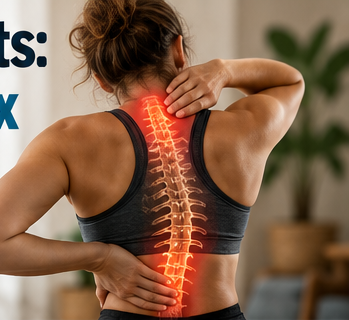
When Your Muscles Feel Tight, but Your Joints Are Loose
Understanding the surprising relationship between joint mobility, protective muscle tension, and the stability your body needs.
I hear some version of this regularly, and it's one of the best questions a client can ask. Because the answer changes how you should train, how you should stretch, and what kind of bodywork actually helps you.
Loose Ligaments, Clenched Muscles
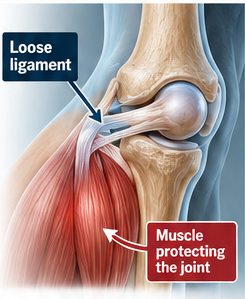
In a hypermobile body, ligaments and joint capsules may allow more movement than usual. A shoulder, a hip, or a segment of your spine can move beyond the range your muscles comfortably control.
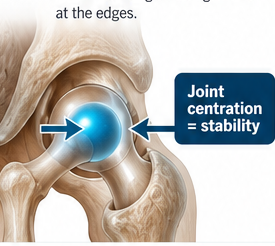
Your nervous system relies on muscles, sensory feedback, and coordination to help maintain joint stability. When that control is challenged, muscles may respond by increasing their tension.
That persistent tension is something I think of as protective muscle armor.
In other words, your tightness doesn't always mean you're lacking flexibility. Sometimes your muscles are working overtime to help create stability.
Why Stretching Can Backfire
Here's the part many people get backwards.
When someone with hypermobility stretches aggressively, especially at the very end of their range, they may place unnecessary stress on joints and connective tissues that already allow considerable movement.
That doesn't mean stretching is always harmful or that every tight muscle is protecting an unstable joint. It means that flexibility alone may not address what the body actually needs.
If a joint lacks adequate muscular control, repeatedly pushing further into that range can sometimes leave the person feeling just as tight afterward.
What Works Instead: Stability Over Flexibility
If excessive mobility is part of the problem, developing strength and control through an appropriate range of motion can be more useful than chasing additional flexibility.
Breath First
The diaphragm, abdominal wall, back muscles, and pelvic floor work together in breathing and trunk pressure regulation. Comfortable, controlled breathing can help reduce unnecessary tension and support better movement coordination.
Isometric Strength
Controlled holds and progressive strengthening help muscles support joints without relying on extreme positions. The goal is strength, endurance, and stability that carry over into everyday activities.
Joint Control
Learn to move through comfortable, controlled ranges rather than depending on the limits of ligaments and joint capsules. Good positioning and gradual progression matter more than going further.

Strength With a Purpose
Exercises such as appropriately modified isometric holds can help develop the muscular control that flexible joints depend on.
The exercise must match the individual. The goal isn't to push harder — it's to build control you can actually use.
Everything Is Connected
One more thing I see regularly in my work: the tight spot is not always the whole story.
A change in how someone controls the hip may influence their pelvis and lower back. Compensations in one area can affect how another area moves. Sometimes the place you feel discomfort is only one piece of a much larger movement pattern.
That's why I assess the whole pattern, not just the painful square inch.
It's also why AI-assisted session analysis has become part of my practice. With appropriate client consent, it can help me organize observations, document what changed, and identify questions worth exploring in future sessions. It complements clinical reasoning; it doesn't replace it.
Your Body May Be Asking for Stability, Not More Stretching
If you're hypermobile and frequently feel tight, it's worth considering whether muscular guarding, fatigue, and joint-control demands are part of the picture.
Rather than forcing additional flexibility, the more productive approach may involve appropriate strength, comfortable breathing, improved movement control, and a thoughtful assessment of your individual needs.